
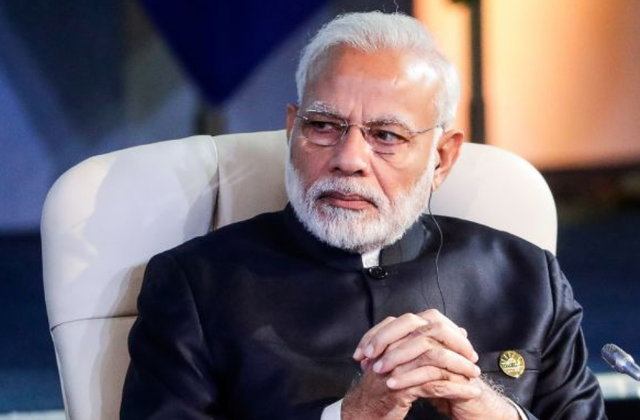
In late February 2026, India’s Prime Minister Narendra Modi visited Israel for a two-day trip that was meant to strengthen the relationship between the two countries and discuss cooperation on several issues including trade, security and technology. He met Israeli leaders, spoke to lawmakers and talked about shared concerns over terrorism and regional stability. For many in India this visit was seen as part of a long-term effort by the government to build closer ties with Israel, a country that India has increasingly worked with on defence and economic projects over recent years. However, just two days after Modi returned to India from this trip, a major military conflict erupted in the Middle East when Israel and the United States launched a joint attack on Iran, dramatically escalating tensions in the region. The sudden outbreak of violence triggered widespread debate and criticism back in India, with many political leaders, commentators and ordinary people questioning the timing of Modi’s visit and the message it sent about India’s position in the unfolding conflict. Opponents of the government argued that travelling to Israel at a moment when tensions with Iran were rising gave the appearance that India was aligning itself with one side in a dangerous confrontation, rather than maintaining a balanced and neutral approach. They pointed out that India has historic relationships not only with Israel but also with Iran, Palestine and other countries in West Asia, and that the country has long followed a policy of strategic autonomy, trying to avoid taking sides in major international disputes. Critics said that by visiting Israel just days before the attacks, Modi risked undermining India’s traditional foreign policy of non-alignment and independence, and created a perception that India was endorsing the actions of Israel and the United States at a sensitive time.
Opposition leaders described the visit as “ill-timed”, “shameful”, and even an act of “moral cowardice”, arguing that Modi’s public support for Israel during the trip made India appear to be politically sympathetic to one party in a conflict that was about to explode into violence. They expressed concern that this could have serious diplomatic and strategic consequences, making it harder for India to effectively engage with countries in the region that view the conflict differently. There was also anxiety about the safety of Indian citizens living or working in the Middle East, particularly the large number of Indians in Gulf countries who could be affected by the widening conflict, and whether India’s diplomatic stance might influence their security. Some critics questioned whether Modi had prior information about the planned attacks or whether Israel used his visit to send a message to the world that India was on its side, though others said there was no direct evidence of such coordination. Still, the controversy highlighted deep unease about the optics of the situation and the long-term implications for India’s role in global diplomacy.
Supporters of the prime minister and members of his ruling party, on the other hand, defended the trip as an important step in strengthening India’s international partnerships. They argued that the visit was planned well in advance and was focused on mutually beneficial cooperation, including economic ties and security collaboration, and was not intended to signal support for any imminent military action. They also criticised the opposition for making what they called unfair and “childish” comments at a time when the country should be united and focused on protecting its interests. Government supporters said that India must continue to engage constructively with countries across the world, including those involved in conflicts, and that Modi’s leadership in international relations was helping to raise India’s profile on the global stage. They emphasised that India’s foreign policy remains independent, and that working with one country does not mean supporting all of its actions. Through social media and public statements, party leaders urged critics to trust the government’s judgment and highlighted India’s historical efforts to maintain good relations with diverse nations, regardless of their political disputes.
The debate over Modi’s trip also raised broader questions about how India should navigate complex international crises, especially when they involve major powers like the United States. India’s approach to such issues has often been cautious, aiming to balance its security needs, economic interests and relationships with a wide range of countries. The sudden outbreak of conflict between Israel, the United States and Iran put this balancing act under intense public scrutiny. Many people voiced concern that the world is becoming increasingly unstable and that global leaders must act carefully to avoid widening wars. Some commentators suggested that India could play a constructive role in encouraging peaceful dialogue and de-escalation, using its relationships with different nations to support diplomatic solutions rather than military confrontation. Others noted that regional wars can have far-reaching economic and humanitarian impacts, including disruptions to energy supplies and threats to the safety of civilians, which could affect India and its economy.
The discussions in India were not just limited to political parties, but also involved experts, former diplomats, business leaders and everyday citizens who followed the news closely. Some questioned how the Indian government plans to protect its strategic interests in West Asia while also remaining true to principles of peace and neutrality. Many expressed worry about the safety of Indian expatriates in the Middle East and called on the government to take all necessary measures to ensure their protection. There were also appeals for Modi to use India’s diplomatic influence to urge a cessation of hostilities and promote negotiations between conflicting parties. In the midst of these debates, Indians across the political spectrum agreed that the consequences of a large-scale conflict in the Middle East could be serious, and that India needed to think carefully about its foreign policy priorities in a changing world.
In addition to domestic political reactions, the controversy highlighted deeper international concerns about how countries react to shifting alliances and sudden outbreaks of violence. The timing of Modi’s visit and the subsequent attacks prompted discussions about the meaning of diplomatic support and whether high-level state visits can inadvertently be interpreted as backing for a host country’s policies. Some analysts argued that leaders must be particularly cautious in how their actions are perceived, especially when the global political atmosphere is already tense, and that the perceptions created by diplomatic gestures can be almost as important as their intended purposes. The situation demonstrated the challenges that democratically elected leaders face in balancing national interests with public opinion, especially in a world where information spreads quickly and events can change rapidly.
Overall, the reaction to Modi’s Israel visit in India reflected a moment of political tension and public debate about the direction of the country’s foreign policy at a critical juncture. The controversy was fuelled by emotional responses, strategic concerns and fears about global instability, with voices from across the country weighing in on what the visit meant for India’s role on the international stage. As the conflict in the Middle East continued to unfold, many people hoped that India would work towards peacefully resolving tensions and safeguarding its national interests without compromising its established diplomatic principles or the well-being of its citizens abroad. The episode served as a reminder that in international relations, timing, perception and communication can have profound effects on how actions are interpreted and remembered, both at home and abroad.