
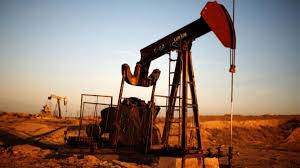
India currently holds enough crude oil and fuel supplies to last for a fixed number of days if no new imports arrive. The country’s total stock of crude oil that is, the unprocessed fuel that comes from oil wells is enough to meet the nation’s demand for roughly 25 days. At the same time, the supplies of finished fuels like petrol (gasoline) and diesel that are stored at terminals around the country would also last for about 25 days on their own. When you combine the available crude oil and the refined fuel stock, India has a significant cushion of energy supply that can sustain its domestic consumption for several weeks. This situation arises because India, like many countries, imports the majority of the petroleum products it uses, and maintains strategic and commercial reserves to ensure that there are no sudden shortages that could disrupt transportation, industry, farming, power generation, or daily life. The 25-day figure for crude oil means that if, for some reason, shipments of crude stopped arriving today, the existing inventory in storage tanks and strategic reserves could keep refineries running and producing fuel for a little over three weeks. Refineries turn crude into usable fuels like petrol, diesel, kerosene, and aviation fuel. Meanwhile, the roughly 25 days’ worth of petrol and diesel stock refers to the amount of finished petrol and diesel that is already refined and ready to be distributed to petrol pumps across the country. If no new refined fuel came in, this supply alone would meet everyday demand for about the same duration as the crude could keep refineries operating. The Indian government and industry track these numbers closely because India’s energy security depends on having enough petroleum stocks at all times. Petroleum fuels are critical for running vehicles, trucks, trains, buses, and motorbikes; for powering generators; and for supporting key industries that rely on diesel or petrochemical products. If stocks fall too low, fuel prices could spike, transport could be affected, and the economy could slow down. To prevent such situations, the government monitors both imported and stored supplies and works with refineries and oil marketing companies to build up stocks when needed. India also maintains strategic reserves in underground storage caverns in select locations. These reserves act as a buffer against international supply disruptions, such as geopolitical tensions, sudden price shocks, or global production cuts by oil-producing countries. By having these strategic reserves, India ensures that even if imports slow down or stop temporarily, the country would still have time to find alternatives or negotiate fresh supplies without facing immediate shortages. The fact that India has about 25 days of crude and finished fuel is seen as a moderate buffer. It is not a large amount compared to some other major economies, but it provides enough runway to manage short-term disruptions in global oil markets. The stocks are influenced by several factors, including global crude oil prices, demand from domestic consumers, refinery output, seasonal changes in fuel use, and India’s import schedules. For instance, during times when global crude prices are low, India may choose to import more and build up its inventory. Conversely, when demand rises sharply — such as during festivals, harvest seasons, or summer months when more people travel — stocks can be drawn down quickly to meet that extra need. The combination of crude oil reserves and ready fuel stocks helps ensure a balance between supply and demand, lessening the risk of sudden scarcity. The government often reviews these stock levels and adjusts policies accordingly, such as regulating imports, guiding refineries on production levels, and coordinating with oil companies to maintain adequate supplies at depots and petrol stations across the country. India is one of the world’s largest energy consumers, and its dependence on foreign oil imports makes it important to keep a steady stockpile. The country buys crude from a variety of overseas producers and then uses its domestic refinery capacity to convert it into usable products. The finished fuels are stored at hundreds of terminals nationwide before being sent out to meet daily needs. Because of this long supply chain — from import to refinement to distribution — having sufficient crude and refined fuel stocks is crucial to avoid gaps that could affect transportation and industries. In normal times, the stock levels of crude and refined fuels fluctuate based on consumption trends and incoming shipments. Many factors, including economic activity, international market conditions, exchange rates, and weather events, can affect how much oil is consumed and how much is stored. Officials also keep an eye on international developments that might influence oil prices or supply availability, such as conflicts in major oil-producing regions, decisions by global oil cartels, or natural disasters affecting ports and shipping lanes. By maintaining about 25 days’ worth of crude reserves and an equivalent number of days’ worth of petrol and diesel, India aims to keep its energy supply stable and uninterrupted. This allows consumers to refill their vehicles and industries to function reliably without fear of running out of fuel. It also gives policymakers breathing room during times of uncertainty and enables them to make adjustments to imports or refinery production as needed. In summary, India’s current oil and refined fuel inventory provides a buffer that would sustain normal consumption for around three and a half weeks if no fresh imports arrived. This buffer is important for economic stability and energy security. Maintaining, tracking, and adjusting these stocks are continuous processes, guided by changing demand, global market conditions, refinery output, and strategic planning. Ensuring that these reservoirs of crude and fuel do not fall dangerously low is a priority for the government and energy sector companies, as it helps safeguard transport services, industries, and everyday life from sudden shocks in the global oil market.
- India Has 25 Days of Crude Oil and Fuel Reserves: What It Means for the Economy

- Daily Horoscope Update: 04-03-26

- Lunar Eclipse Delays India’s T20 World Cup Practice in Mumbai – Full Details

- Alia Bhatt, Ranbir Kapoor and Vicky Kaushal Choose Profit Sharing for Love and War

- Chidambaram Breaks Silence on Viral Dileep Movie Speculation

- Allu Sirish Pre Wedding Event: Two Big Guests Spark Industry Buzz

- Scary Movie 6 Official Trailer Released – Everything We Know So Far

- Sonic 4 Officially Starts Filming with Amy Rose’s Big Role Revealed

- 5 Must-Have Silver Jewellery Investments Every Woman Should Own in 2026

- Mohanlal Once Considered Becoming a Monk After Losing Lakhs on Flop Films

- Daily Horoscope Update: 3-03-26

- How Smartphone Addiction Is Affecting Teen Mental Health and Studies

- India and Canada Sign Historic Nuclear Energy Deal to Strengthen Clean Power Cooperation

- Iran in Crisis: What Happens After the Killing of the Supreme Leader?

- Oscars 2026 Nominees List: Best Picture Films, Date, Venue & Latest Updates