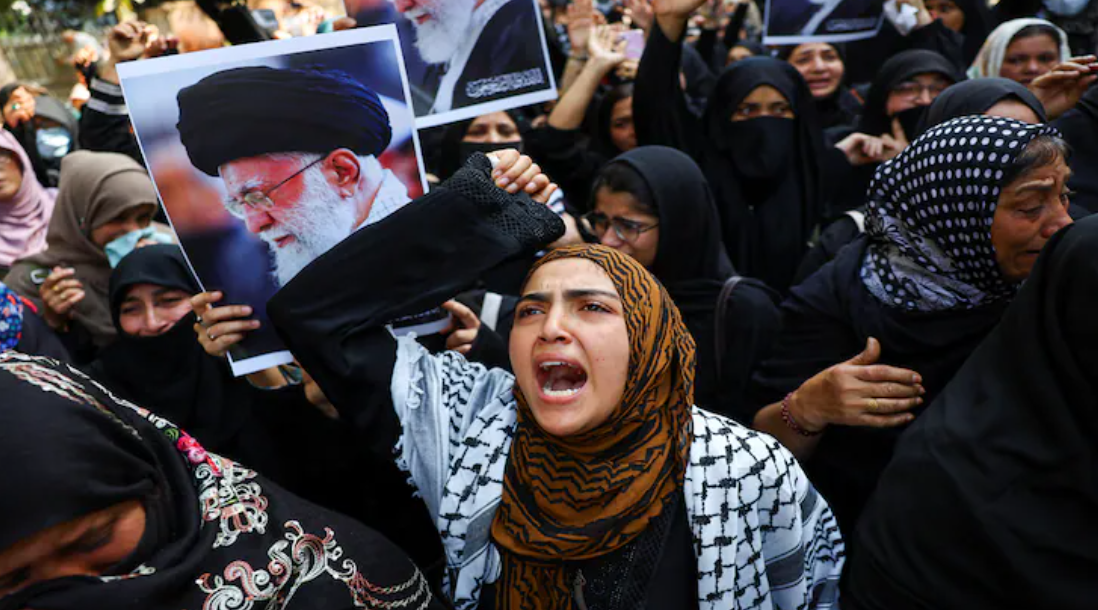
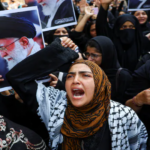
In the middle of a dramatic crisis in the Middle East, Iran has been plunged into a period of intense upheaval and uncertainty after its long-time Supreme Leader was killed in a major military assault, leaving the country in “survival mode” and the entire region on edge. The Supreme Leader had been the central figure in Iran’s political and religious system for decades, holding ultimate authority over the government, military and foreign policy, so his death has created an immediate leadership vacuum and triggered a complex series of events that have shaken not only Iran but also the wider international community. Intelligence and military sources say that joint military strikes by the United States and Israel hit key locations in Tehran, including the Supreme Leader’s compound, resulting in his death along with other senior officials, which state media in Iran described as a martyrdom and labelled a grave act of aggression by foreign forces. In the hours and days that followed, Iran’s government and powerful military establishment faced the urgent task of maintaining order, responding to external military pressure, and beginning a constitutional process to appoint a new leader, all while tensions with foreign powers continue to escalate and fears of a wider regional conflict grow. As a result, Iran’s authorities quickly activated emergency succession mechanisms, forming a temporary leadership council made up of senior figures, including the president, the chief justice and key religious leaders, to take charge of the country’s political responsibilities until a permanent successor can be chosen, an effort designed to keep the state running in the face of the sudden loss of its highest authority. At the same time, Tehran has vowed retaliation and made clear that it will respond to what it describes as a violation of its sovereignty, with hard-line military groups and senior officials promising that the nation will not forget the killing and that those responsible will face consequences, language that reflects both deep anger and a determination to project strength. This atmosphere of confrontation has been accompanied by significant military actions, including reported missile and drone strikes by Iranian forces against targets linked to Israel and U.S. military presence in the region, and the activation of air defenses by neighboring countries as well as warnings about potential further escalation, which have together created a climate of fear and instability across the Gulf and beyond. Inside Iran, public reactions have been mixed and intense, with scenes ranging from mourning and grief among supporters of the former leader to relief or hope for change among those who opposed his rule, highlighting deep divisions within Iranian society that have been sharpened by years of political repression, economic hardship and nationwide protests against the regime. These protests, which began months earlier and involved millions of people demanding political reform and economic relief, had already put pressure on the government and challenged its legitimacy, so the sudden removal of the Supreme Leader has added another layer of uncertainty about the future direction of the country and the potential for both internal conflict and new opportunities for transformation. Internationally, governments and leaders around the world are responding cautiously, with some calling for restraint and diplomatic solutions to prevent the conflict from spiraling out of control, while others are warning about the serious implications of a leadership crisis in a major regional power that controls strategic waterways and has longstanding influence in neighboring countries. Emergency meetings by global bodies and world leaders are focusing on ways to contain the violence and to encourage negotiations, though the risk of further military action remains high as Iran insists it will pursue a strong response and maintain its regional interests. Meanwhile, the economic impact of the crisis has already begun to be felt, with disruptions in energy markets due to fears about stability in key shipping routes and heightened tensions affecting global trade and financial confidence. For ordinary Iranians, the sudden turn of events has created a mix of anxiety, fear and cautious optimism, as they contend with the reality of losing a powerful and controversial leader while hoping for possible political change that could improve living conditions and freedoms in the long term. Security forces and military units loyal to the government have been working to maintain order, but there are concerns about the potential for further unrest or even violent clashes if internal power struggles emerge or if public frustration with economic and political conditions boils over again. At the same time, regional allies and rival states are watching carefully, adjusting their own defense postures and diplomatic strategies in response to the rapidly unfolding situation, which has changed the landscape of Middle Eastern politics in a matter of days. The activation of a transitional leadership council and the constitutional process underway to select a new Supreme Leader demonstrate that the government is attempting to adhere to institutional procedures in the midst of crisis, but questions remain about who will emerge as the next central figure of authority and whether they will be able to unify the country and manage both internal pressures and foreign relations. As international calls for dialogue and de-escalation continue, Iran’s leadership has signalled that while it is open to certain forms of negotiation, it will not compromise on what it sees as core issues related to national pride, security and sovereignty, creating a delicate balance between engagement and confrontation. In this highly volatile situation, many analysts suggest that the coming weeks and months will be crucial in determining whether the Middle East moves toward a broader war or finds paths to ease tensions, and how ordinary people in the region will adapt to the changing political and security realities. Countries with strategic interests in the region are urging calm and protection of civilians, emphasizing that humanitarian considerations must be part of any response to the escalating crisis, and highlighting the need to avoid further suffering and destruction that could accompany intensified military actions. For now, Iran’s entrance into what many observers describe as a survival mode reflects a nation grappling with profound loss, external threats, internal pressures and the dawning of an unpredictable chapter in its long history, as its people, leaders and neighbours navigate the complex aftermath of an event that has already reshaped the region’s geopolitical landscape.
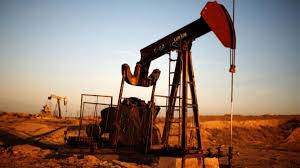
- India Has 25 Days of Crude Oil and Fuel Reserves: What It Means for the Economy
- Daily Horoscope Update: 04-03-26

- Lunar Eclipse Delays India’s T20 World Cup Practice in Mumbai – Full Details

- Alia Bhatt, Ranbir Kapoor and Vicky Kaushal Choose Profit Sharing for Love and War

- Chidambaram Breaks Silence on Viral Dileep Movie Speculation

- Allu Sirish Pre Wedding Event: Two Big Guests Spark Industry Buzz

- Scary Movie 6 Official Trailer Released – Everything We Know So Far

- Sonic 4 Officially Starts Filming with Amy Rose’s Big Role Revealed

- 5 Must-Have Silver Jewellery Investments Every Woman Should Own in 2026

- Mohanlal Once Considered Becoming a Monk After Losing Lakhs on Flop Films

- Daily Horoscope Update: 3-03-26

- How Smartphone Addiction Is Affecting Teen Mental Health and Studies

- India and Canada Sign Historic Nuclear Energy Deal to Strengthen Clean Power Cooperation
- Iran in Crisis: What Happens After the Killing of the Supreme Leader?
- Oscars 2026 Nominees List: Best Picture Films, Date, Venue & Latest Updates