
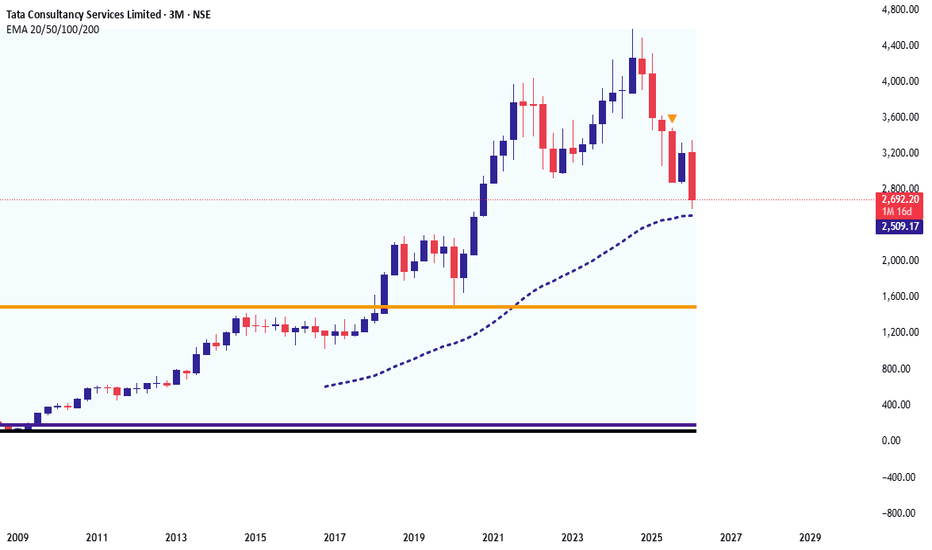
Recently, a major financial research firm that watches Indian stock markets made a big announcement about the country’s information technology companies, especially the biggest names that many investors follow closely. This firm decided to lower its future price targets for several IT stocks, meaning it expects these companies’ shares to be worth less in the future than it had previously predicted. The reason it gave was that the industry’s growth outlook has become more uncertain and the way investors value these companies has changed, so the firm is being more cautious about how these stocks might perform in the years ahead. Among the many companies affected by this change are some of the largest and most well-known tech companies in India, including those that have long been considered safe investments because of their size, past performance, and reputation for steady earnings growth. But even these big companies are now seeing their target prices reduced significantly, which has caught the attention of people who follow the stock market closely and make decisions about where to put their money. The drops in target prices vary by company, but in many cases they are quite substantial, with some being cut by double-digit percentages compared to what was expected before, showing that analysts now believe the future pace of growth may not be as fast or as smooth as previously thought. This shift has surprised some investors because these stocks have been among the leaders in the market for many years, driven by strong demand for technology services, outsourcing work from overseas companies, and a long history of profitable growth. However, recent developments in global technology trends and changes in client behaviour have made analysts rethink their predictions, leading them to set more modest expectations for revenue, earnings and future expansion potential. As a result, the valuations that investors are willing to pay for these stock names have come down, and this is reflected in the lower price targets set by the research firm. The news of these cuts has caused some nervousness among investors in the broader market, as IT stocks make up a large portion of major stock indexes and their performance often influences how the overall market moves. When a large research firm changes its target prices, it can influence how other analysts, fund managers, and individual investors view the sector, leading some to sell shares or avoid taking new positions until they see clearer signs of growth returning. The cautious stance taken by the research firm is linked to concerns that even though technology services remain in demand, the structure of the industry might be changing faster than anticipated, making it harder for traditional IT companies to grow at the same pace they have in the past. Many of these companies have historically generated revenue through long-term contracts for services like software development, maintenance and support, but new technologies and shifts in how clients consume tech services could mean that future revenue growth may not come as easily. Investors are trying to understand how these changes will affect long-term profitability, and the lowered target prices reflect a collective judgement that growth may slow down or that risks are increasing, at least for the time being. The overall impact of these lowered targets has been visible in share prices, which have shown weakness or volatility as traders and investors react to the news. Some of the largest IT stocks, including those in the headline, have experienced downward pressure in recent weeks as market sentiment shifts and the sector faces headwinds. Beyond this specific announcement, other brokers and analysts have also expressed caution about the industry as a whole, suggesting that advances in areas like automation and artificial intelligence could reshape the landscape. These technological changes could reduce demand for traditional services or change the way companies compete for business, which may lead to a re-evaluation of future earnings potential and long-term growth prospects. For investors, this has created a more complex picture: while the industry remains large and important, there is increasing debate about which companies will adapt successfully to new market conditions and which may struggle. Some investors believe that this is a temporary correction and that strong companies will rebound once the broader economy improves or once they find new areas of growth. Others worry that the changes are more structural and that long-term growth rates need to be reset lower to reflect the realities of a rapidly evolving global technology environment. This ongoing discussion influences investor behaviour, as many are choosing to watch and wait rather than buying into the sector immediately. Others are shifting their focus to smaller or mid-tier technology firms that may be better positioned to benefit from niche markets or emerging trends, even if those companies come with higher risk. The result is a mixed market environment where the traditional giants are being re-evaluated and market leadership may slowly shift towards different kinds of companies over time. In response to the news of target price cuts, some financial advisers and market commentators have reminded investors to take a long-term view and to avoid making sudden changes based solely on short-term analyst notes. They point out that stock prices constantly move up and down based on new information, and a single round of target price adjustments does not necessarily mean that the companies involved will fail or that they are bad investments. At the same time, they emphasise the importance of closely watching company financial results, future orders and new business wins, because these are the real drivers of long-term share price performance. As the market digests this wave of lowered expectations, many participants are looking ahead to quarterly earnings reports, macroeconomic indicators and global demand patterns to better assess whether the cautious view being expressed by the research firm is justified. For now, the changes have created a more cautious mood in the stock market, especially in the information technology sector, which has long been a favourite for growth-oriented investors and funds. The coming months will show whether this caution is temporary or signals a deeper shift in how technology companies are valued and grown in the Indian market, and how investors respond will play a key role in shaping the sector’s future performance.
- India Has 25 Days of Crude Oil and Fuel Reserves: What It Means for the Economy

- Daily Horoscope Update: 04-03-26

- Lunar Eclipse Delays India’s T20 World Cup Practice in Mumbai – Full Details

- Alia Bhatt, Ranbir Kapoor and Vicky Kaushal Choose Profit Sharing for Love and War

- Chidambaram Breaks Silence on Viral Dileep Movie Speculation

- Allu Sirish Pre Wedding Event: Two Big Guests Spark Industry Buzz

- Scary Movie 6 Official Trailer Released – Everything We Know So Far

- Sonic 4 Officially Starts Filming with Amy Rose’s Big Role Revealed

- 5 Must-Have Silver Jewellery Investments Every Woman Should Own in 2026

- Mohanlal Once Considered Becoming a Monk After Losing Lakhs on Flop Films

- Daily Horoscope Update: 3-03-26

- How Smartphone Addiction Is Affecting Teen Mental Health and Studies

- India and Canada Sign Historic Nuclear Energy Deal to Strengthen Clean Power Cooperation

- Iran in Crisis: What Happens After the Killing of the Supreme Leader?

- Oscars 2026 Nominees List: Best Picture Films, Date, Venue & Latest Updates

- Zendaya and Tom Holland Marriage Rumors Spark Online Buzz

- IT Stocks Face Target Price Cuts Amid Growth and Valuation Concerns
- T20 World Cup 2026 Semi-Finals Confirmed After India’s Thrilling Win