
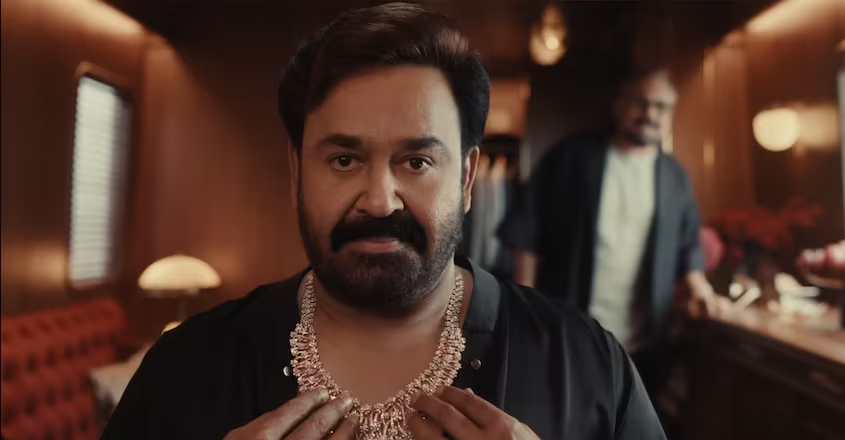
There was a time in the life of one of India’s most famous actors when things were not going well, not because of his acting skill but because of his choices as a film producer. Known for his remarkable talent and long career, he was admired by fans for his powerful performances and versatility. Over the years, he delivered many memorable roles that earned him respect and love from audiences, not just in his home state but across India and among cinephiles around the world. Many films he acted in became classics, and his name became synonymous with excellence in acting. However, even stars with such strong reputations and decades of experience can face hard moments, especially in the unpredictable world of filmmaking.
At one point, he decided to try his hand at producing films, which is very different from acting. Producing means putting up money, making decisions about the script, cast, crew, and marketing, and ultimately being responsible if a film does not succeed. Some films he backed did not do well at the box office. A box office failure means that the money earned from ticket sales was much less than what was spent to make and promote the movie. When movies flop — a term used for films that make poor earnings — it can lead to very serious financial loss. For an actor like him, who had been in the industry for decades and had seen many highs, this phase was one of the toughest he had ever faced. There were films he produced that ended up losing large sums of money, and this put him under tremendous pressure both personally and professionally.
Losing money on films can be extremely stressful because the film business involves not just personal investment but the trust and expectations of many other people such as crews, co-producers, and investors. When those movies failed to perform, the losses were not small; they ran into lakhs, a very significant amount. For someone who was used to success and admiration, dealing with such loss was emotionally heavy. Those films he backed were projects he believed in, and when they did not resonate with the audience or failed to make back their cost, it affected him deeply. Instead of feeling discouraged and giving up quietly, he spoke openly about how these failures made him question his path and goals.
During this low period, he considered drastic life changes. He began to ask himself big questions about the purpose of his work and what truly mattered in life. At one point, in the midst of his frustration and contemplation, he even thought about stepping away from the film industry altogether and leading a life completely different from his glamorous career. He imagined the possibility of renouncing worldly pursuits and becoming a monk — someone who chooses simplicity, silence, and spiritual practice over fame, money and public life. He thought about walking to the Himalayas on foot, a journey that many people in search of peace and spiritual growth undertake. The Himalayas are often symbolic of solitude and deep inner reflection because of their remote beauty and the spiritual traditions associated with them. In his mind, this was a way to step away from the stress and complexity of cinema, of profits and losses, and find a simpler life focused on inner peace.
This idea was not just a passing thought but reflected how shaken he felt at that time. It showed that he was going through a serious emotional and mental struggle because of the disappointment he faced. Losing money and seeing projects fail forced him to look inside himself and reconsider his identity beyond cinema. The thought of becoming a monk is symbolic of wanting to live a life free from worldly ambitions, free from the ups and downs of fame, and attached less to material success. It was a moment of vulnerability for a man often seen as larger than life on screen. What many did not know was that behind the confident public persona was someone willing to confront his own doubts and fears.
Despite these thoughts and the emotional turmoil, he did not actually leave the film world or become a monk. Instead, he stayed and continued to act — a decision that shows his resilience and deep connection to cinema. Acting was not only his profession but his passion. He continued to take on new roles, working on different kinds of films that allowed him to explore varied emotions and characters. This ability to continue even after facing setbacks speaks to his strength of character. Some of his later films brought praise again, and he continued to be a central figure in Indian cinema.
The experience of failure and the moment when he thought about a completely different life likely changed him in ways that went beyond the screen. It made him reflect on the balance between success and failure, and on how even great talents have to deal with disappointment. It also showed his honesty and humility, because not all stars admit their struggles publicly. There is often a pressure on actors to appear perfect, successful, and unfailing, but his willingness to talk about the emotional impact of those financial losses connected with many people who have faced their own struggles in life.
This chapter of his life became an important part of his journey. It reminded everyone that even legendary figures in the world of cinema have moments of doubt, fear, and introspection. These are human experiences that transcend fame, reminding people that behind the image of a superstar is a person who feels deeply and faces challenges just like everyone else. Choosing not to give up and to continue his craft despite difficulties showed a determination that goes beyond mere talent — it showed heart.
In the end, this experience did not define him as a failure but rather added layers to his story. It became one of the many chapters in a life full of performances, achievements, trials, and triumphs. Today, his fans continue to celebrate his work, his contributions to film, and the resilience he showed by moving forward even when life seemed uncertain.
- India Has 25 Days of Crude Oil and Fuel Reserves: What It Means for the Economy

- Daily Horoscope Update: 04-03-26

- Lunar Eclipse Delays India’s T20 World Cup Practice in Mumbai – Full Details

- Alia Bhatt, Ranbir Kapoor and Vicky Kaushal Choose Profit Sharing for Love and War

- Chidambaram Breaks Silence on Viral Dileep Movie Speculation

- Allu Sirish Pre Wedding Event: Two Big Guests Spark Industry Buzz

- Scary Movie 6 Official Trailer Released – Everything We Know So Far

- Sonic 4 Officially Starts Filming with Amy Rose’s Big Role Revealed

- 5 Must-Have Silver Jewellery Investments Every Woman Should Own in 2026

- Mohanlal Once Considered Becoming a Monk After Losing Lakhs on Flop Films

- Daily Horoscope Update: 3-03-26

- How Smartphone Addiction Is Affecting Teen Mental Health and Studies

- India and Canada Sign Historic Nuclear Energy Deal to Strengthen Clean Power Cooperation

- Iran in Crisis: What Happens After the Killing of the Supreme Leader?

- Oscars 2026 Nominees List: Best Picture Films, Date, Venue & Latest Updates