
Gold price reached a new record on January 28, 2026. The investors are looking for safe places to put their money in the Federal Reserve. They had an idea that the future interest rate would increase demand for metals, pushing the prices for both silver and gold markets.
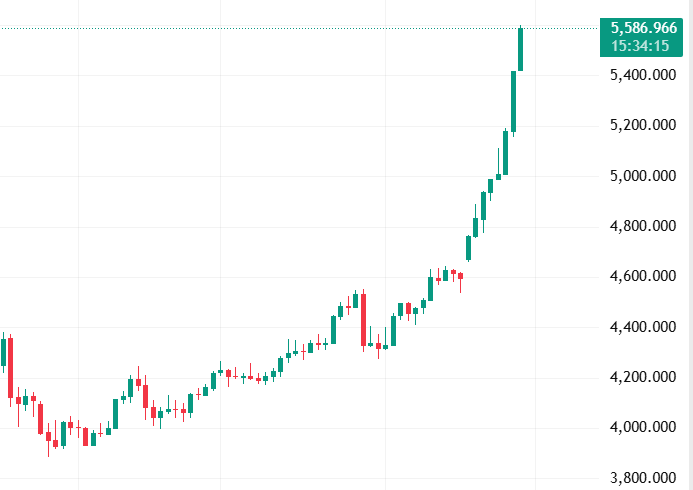
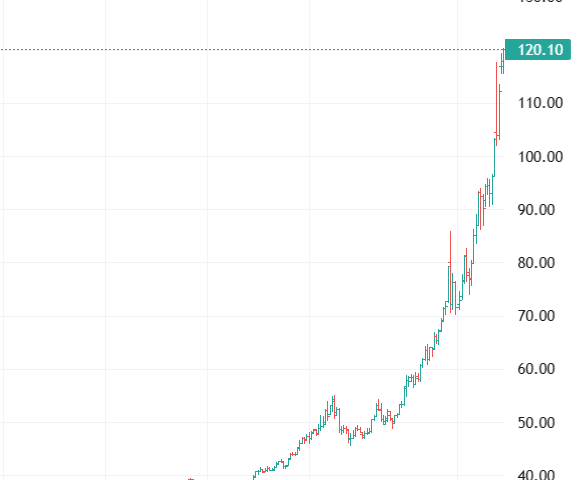
Spot gold was trading at $5,265.38 per ounce, rising by $93.55 or 1.81% during the session. Silver also posted gains, with spot prices reaching $113.75 per ounce, up $1.00 or 0.89%. The gold-to-silver ratio widened to 46.29, reflecting gold’s stronger performance compared to silver. Market analysts say the rising ratio highlights gold’s dominance during periods of uncertainty, while also suggesting that silver remains relatively undervalued for investors seeking portfolio diversification. Attention across global financial markets remains fixed on the Federal Reserve meeting concluding later today. While policymakers are widely expected to keep interest rates unchanged, traders are closely watching for any signals about potential rate cuts in the coming months.
GOLD :
SILVER:
Recent economic data has shown easing inflation pressures, which has increased speculation that the Federal Reserve could shift toward a more accommodative stance later in the year. Lower interest rates typically weaken the US dollar and reduce returns on fixed-income investments, making non-yielding assets like gold and silver more attractive.
As expectations of monetary easing grow, demand for precious metals has intensified across both physical and investment markets. Buyers are increasingly turning to physical bullion, including gold bars, silver coins, and investment-grade rounds, as a hedge against inflation, currency fluctuations, and broader market risks.
According to updates from gold.org, no new central bank gold purchases were reported over the past 48 hours. However, central banks worldwide have maintained steady gold accumulation in recent years as part of efforts to diversify reserves and reduce dependence on major currencies. Analysts note that even without recent purchase announcements, long-term central bank demand continues to provide structural support for gold prices, reinforcing its role as a global reserve asset. Physical market activity remains a key driver behind the strength in both gold and silver prices. Across major global trading hubs, physical premiums continue to stay firm, indicating strong demand for immediate delivery of metal.
Asian markets, in particular, are showing notable strength in physical demand. Delivery centers across key regions are reporting elevated premiums for both gold and silver, suggesting that buyers are actively absorbing available supply. These premiums represent the additional cost buyers are willing to pay above spot prices to secure physical metal. High premiums typically signal tight supply conditions and strong end-user demand.
Market participants say the persistence of elevated premiums highlights the presence of real-world buyers such as investors, jewellers, and industrial users, rather than speculative traders operating through futures contracts or exchange-traded products. This trend suggests that current price levels are being supported by genuine physical consumption, creating a stronger price floor even during periods of market volatility.
Investors holding physical precious metals are benefiting from this strong underlying demand, which reduces the risk of sharp price declines driven solely by financial market movements. Jewellery manufacturers have also increased silver purchases as part of inventory planning strategies. With seasonal demand expected to rise in the coming months, many jewellers are securing physical silver supplies early to lock in current prices and protect profit margins. Industry sources indicate that buying during periods of stable premiums allows jewellers to better manage production costs and avoid sudden price spikes that could impact profitability during peak sales seasons.
Industrial demand for silver remains another major factor supporting the market. Silver is a critical component in sectors such as electronics manufacturing, solar panels, renewable energy technologies, electric vehicles, and medical equipment. As global investment in clean energy and advanced technology continues to grow, demand for silver in industrial applications has remained strong. Many industrial buyers are choosing to secure physical silver supplies in advance rather than relying on paper contracts, which helps reduce exposure to price volatility and potential supply disruptions. Analysts point out that long-term supply challenges in the silver market, combined with rising industrial consumption, continue to place upward pressure on physical premiums. Central banks and large institutional investors closely monitor physical market conditions as part of their broader market analysis. Strong premiums and sustained demand are viewed as signs of underlying market health. These physical indicators reinforce gold’s reputation as a reliable store of value during times of economic uncertainty, geopolitical tensions, and financial market stress.
While no new central bank buying activity has been reported recently, analysts believe reserve managers will continue gradual accumulation strategies as global risks remain elevated. Market sentiment remains cautious as investors await the Federal Reserve’s official statement later today. Any hints of future interest rate cuts or policy easing could further boost precious metals prices. A more dovish tone from the central bank would likely weaken the US dollar, providing additional support for gold and silver. Conversely, stronger-than-expected economic outlook comments could lead to short-term price consolidation, though strong physical demand is expected to limit downside risks. In broader financial markets, concerns over slowing global growth, geopolitical developments, and ongoing inflation pressures continue to drive interest in safe-haven assets.
Gold’s ability to reach new record highs reflects strong confidence among investors seeking protection from market volatility. Silver’s steady gains highlight its dual role as both a precious metal investment and an essential industrial commodity.
Analysts say that as long as economic uncertainty remains and physical demand stays firm, both metals are likely to remain well supported. Trading volumes across bullion markets have remained elevated, indicating active participation from both institutional and retail buyers. Retail investors, in particular, are increasingly turning to physical precious metals as part of long-term wealth preservation strategies. Bullion dealers across major markets have reported consistent interest in gold bars, silver coins, and smaller investment products, reflecting broad-based demand.
Traders are preparing for their price volatility, which they are used to shaping near-term market direction.
The Physical market suggests that real-world demand is providing a solid foundation for current price levels. Gold holds the high record, and Silver maintains upward momentum.